

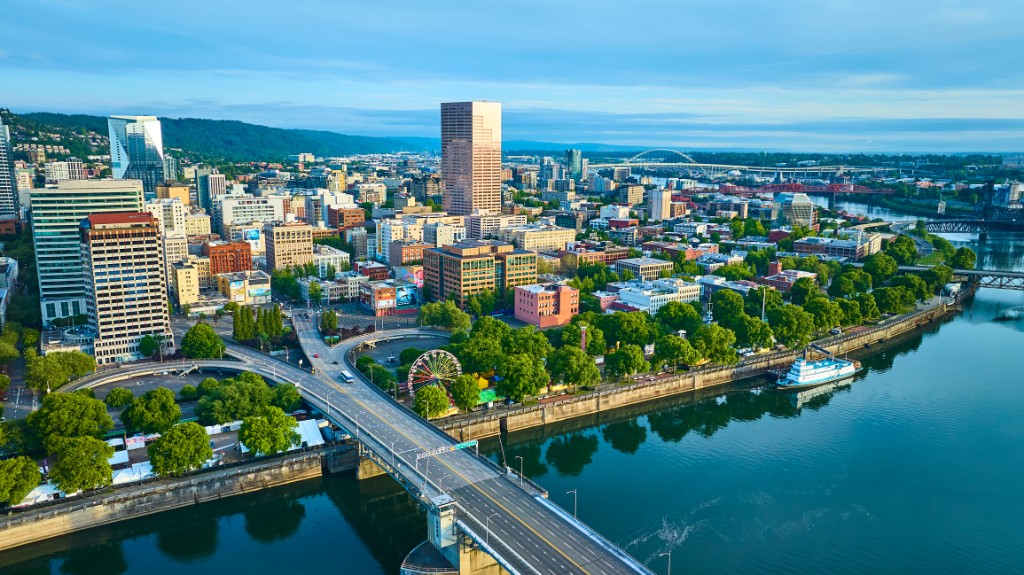
Portland Metro gives buyers access to city neighborhoods, suburban communities, and larger properties beyond the urban core.
With three counties, dozens of distinct cities, and home styles ranging from city condos to suburban yards, searching for a home in Portland Metro brings an exciting range of choices. Because two neighborhoods just minutes apart can offer completely different daily routines, housing styles, and long-term costs, finding the right fit comes down to knowing how those local details line up.
If you’re thinking about buying a home in Portland Metro, local guidance from Oregon Digs Real Estate helps bring those details into focus so you have a clear baseline long before you tour your first property.
THE PORTLAND METRO HOUSING MARKET AT A GLANCE
-
HOME PRICES ACROSS THE TRI-COUNTY AREA ARE STEADY. With median home sales typically spanning the $500,000 to $550,000 range, you have a predictable baseline for budgeting without sudden price jumps.
-
OVERALL HOUSING SUPPLY IS BALANCED. Inventory usually holds at two to three months − meaning if no new homes hit the market, it would take that long to sell through existing listings. This balance keeps prices stable, avoiding sharp spikes or sudden drops.
-
PROPERTY SALES MOVE AT A RELAXED PACE. Homes typically sit on the market for 30 to 50 days before going under contract, which gives you plenty of time to tour properties, schedule inspections, and arrange financing without making snap decisions.
-
NEIGHBORHOOD TYPES PULL IN DIFFERENT LEVELS OF DEMAND. Suburban communities with bigger yards typically see fewer available homes, while city-center condo markets offer more choices.
-
THE RIGHT PRICING SELLS HOMES FASTER. Properties priced accurately from Day One sell near list price, while overpriced homes sit until sellers drop the price.
THE PORTLAND METRO’S HOUSING MIX
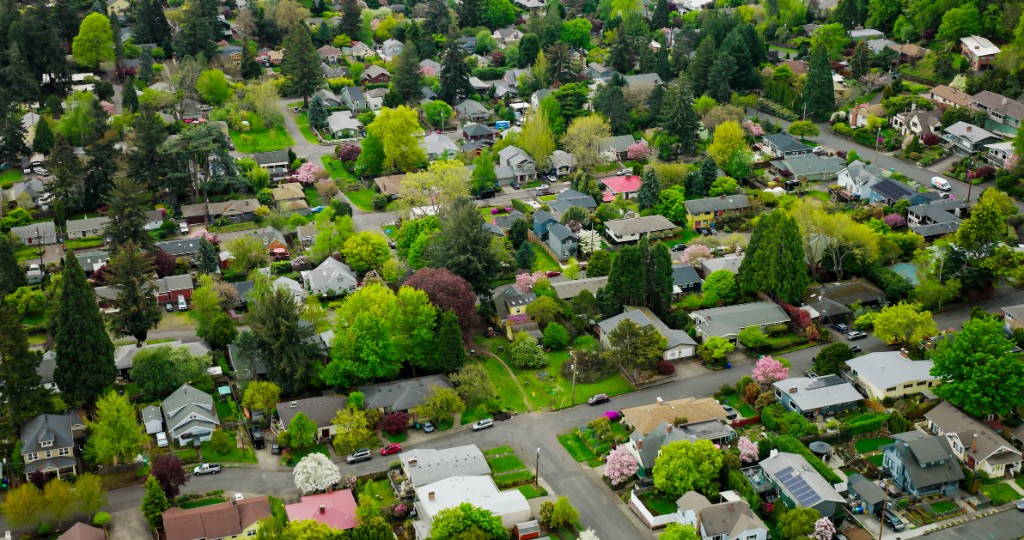
Portland Metro offers established neighborhoods, varied housing styles, and access to both city services and suburban space.
The Portland metro offers everything from classic neighborhood houses to quiet country properties.
-
Older homes define many close-in neighborhoods across the Eastside, featuring classic Craftsman bungalows, Tudors, and Old Portland Foursquares. These homes offer built-in architectural character, original woodwork, and tree-lined streets within walking distance of local coffee shops and commercial hubs.
-
Newer suburban homes line planned developments throughout Washington and Clackamas Counties, as well as communities across the Columbia River in Vancouver, WA. These properties feature modern open-concept floor plans, attached garages, and energy-efficient systems, often located near neighborhood parks and everyday amenities.
-
Condos and townhomes sit near the action in urban centers like the Pearl District, Central Eastside, and Downtown Beaverton. They offer a low-maintenance lifestyle with shared community amenities and fast access to dining, public transit, and arts districts.
-
Rural acreage gives you extra space in surrounding communities like Damascus, Sandy, or Oregon City. These properties offer room for detached workshops, gardens, or small livestock, blending private country living with manageable drive times into the metro.
THE PORTLAND METRO, AREA BY AREA
From city neighborhoods to communities near rivers, foothills, and open spaces, the Portland metro gives buyers plenty of ground to cover. Breaking the region into broader areas makes it easier to see where each community fits.
-
PORTLAND: The urban core brings together historic and contemporary homes, distinct neighborhood districts, local dining and shopping, parks, transit, and major cultural destinations.
Explore: Portland -
CLACKAMAS COUNTY AND THE SOUTHEAST METRO: This part of the region spans established suburbs, riverfront areas, hillside neighborhoods, and communities that transition toward more rural surroundings and the Cascade foothills.
Explore: homes for sale in Happy Valley | Milwaukie | West Linn | Oregon City | Damascus | Sandy -
EAST MULTNOMAH COUNTY: East of Portland, residential and commercial areas sit within easy reach of the Columbia River Gorge and routes toward Mount Hood.
Explore: Gresham real estate | Troutdale -
WASHINGTON COUNTY AND THE WEST METRO: Communities west of Portland include major employment centers, established suburbs, newer developments, parks, shopping districts, and connections to the rest of the metro. Key cities include Beaverton, Tigard, and Hillsboro.
-
SOUTHWEST WASHINGTON: Across the Columbia River, the Portland metro extends into Southwest Washington, where Vancouver combines established neighborhoods and newer residential areas with a growing downtown and waterfront district.
Explore: Vancouver, WA
How much does it cost to buy and own a home in Portland Metro?
To build a comfortable budget, it helps to split your expenses into two clear buckets: the upfront cash needed to close the deal (your down payment and closing fees), and the ongoing costs of keeping the home running (your monthly bill and maintenance reserves).
| Down payment | This is used to secure your mortgage. Bringing more money to the table lowers your monthly bill and helps you avoid extra insurance fees. | 3.5% to 20% of the home’s price ($17,500 to $110,000 for a typical home). |
| Closing costs and inspections | This covers loan fees, title services, and hiring local pros to check the property. Inspectors around Portland usually test for sewer line health and radon gas levels. | 2% to 5% of the price for closing fees, plus $500 to $1,200 for home inspections. |
| Monthly payments | These payments include your main mortgage, local property taxes, home insurance, and any neighborhood HOAs.; | Lenders generally cap this at 28% of your pre-tax monthly income. |
| Repairs and savings | This is a cash reserve you should keep just in case your home needs sudden fixes. Wet Northwest weather means you’ll naturally need funds over time for roof care, gutters, and yard maintenance. | 1% to 2% of your home’s value each year ($5,000 to $11,000). |
If you’re buying your first home in the Portland Metro, there are local programs to help cover initial costs and give your savings a boost.
-
The Down Payment Assistance Loan (DPAL) program provides a zero-interest second mortgage that should cover your down payment inside city limits, featuring deferred payments and partial loan forgiveness if you stay in the home long-term.
-
The Oregon Bond Residential Loan program offers state-backed financing with below-market interest rates or direct cash assistance to help lower your upfront costs at closing.
-
An Oregon First-Time Home Buyer Savings Account lets you deduct your down payment contributions and investment growth directly from your state tax return.
-
Local housing nonprofits like Arrive Homeownership (formerly Portland Housing Center) and DevNW offer hands-on homebuyer education, one-on-one counseling, and matched savings programs to stretch your funds even further.
BUYING A HOME IN PORTLAND METRO

Buying a home in Portland Metro starts with a clear budget, local guidance, and the right property fit.
Buying a home in Portland Metro is easier when you take the process one phase at a time.
- SET YOUR BUDGET AND GET PREAPPROVED. Review your finances to determine a comfortable price range, then work with a lender to secure mortgage preapproval.
- FOCUS YOUR HOME SEARCH. Narrow down locations and property types based on your priorities, separating your must-haves from features you’d simply like to have.
- MAKE AN OFFER. Work with your real estate agent to prepare an offer based on the property, local market conditions, and comparable sales.
- COMPLETE YOUR DUE DILIGENCE. Once under contract, move through inspections, the appraisal, and final loan requirements while addressing any issues that arise.
- DO YOUR FINAL WALKTHROUGH AND CLOSE. Check the property one last time, complete the required paperwork, and get ready to collect your keys.
FAQs
What makes a strong offer on a home in Portland Metro?
A strong offer pairs a fair price with a solid mortgage pre-approval and reasonable closing timelines. Sellers also look for higher earnest money deposits and clean, simple inspection terms.
How do school boundaries affect a Portland Metro home search?
School districts cross city and county lines, so a city address never guarantees assignment to a specific school. Always check the exact street address directly with the local school district to confirm which schools serve that home.
What should buyers know about crossing the Oregon-Washington state line during their home search?
Buyers considering homes on both sides of the Columbia River should remember that Oregon and Washington have different taxes, closing practices, and homeownership costs. Working with a real estate professional familiar with both markets can help you understand those differences and compare communities such as Vancouver, WA with your options in Oregon.
YOUR LOCAL GUIDE TO BUYING A HOME IN PORTLAND METRO
Navigating the Portland metro market is much simpler when you have an experienced local team in your corner − and that is exactly why we are here. With 24 full-time agents averaging 12 years of local experience, our team at Oregon Digs Real Estate brings the deep market knowledge, sharp negotiation skills, and personal care you need to compare unique neighborhoods, evaluate homes, and buy with total confidence.
If you’re ready to start your home search, reach out to us at 503.239.7400 or via email to start planning your next move.